

Innovations in Plumbing and Electrical Installation Techniques
May 17, 2024In the rapidly evolving fields of plumbing and electrical installation, staying ahead of the curve with the latest techniques and technologies is essential for efficiency, safety, and reliability. Modern innovations are transforming traditional methods, offering new solutions that save time, reduce costs, and enhance performance. From advanced materials and tools to cutting-edge training programs, the industry is witnessing significant advancements that professionals and homeowners alike can benefit from. This article delves into the latest advancements in plumbing and electrical installation, exploring how technology is improving installation efficiency and the importance of ongoing training and education in mastering these modern techniques. Join us as we uncover the innovative trends shaping the future of these essential services.
Advancements in Plumbing Installation
The plumbing industry has seen remarkable innovations over the past few years, driven by a need for more efficient, reliable, and sustainable solutions. These plumbing innovations are revolutionizing the way installations are carried out, offering numerous benefits to both professionals and end-users.
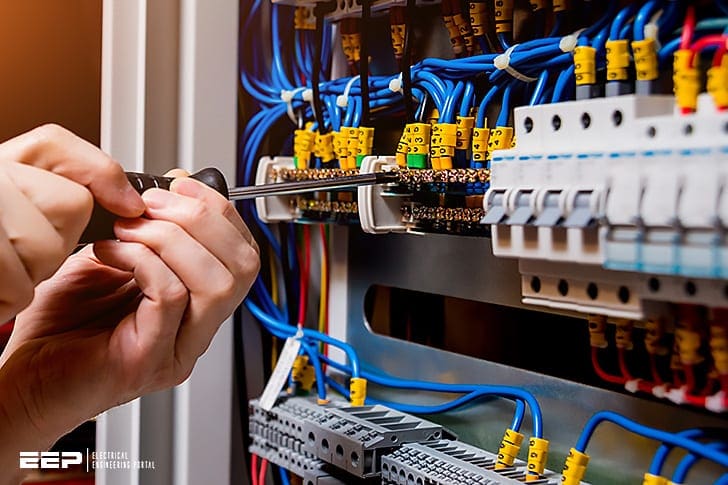
Flexible PEX Piping
One significant advancement is the use of PEX (cross-linked polyethylene) piping, which is more flexible, durable, and easier to install compared to traditional materials like copper or PVC. PEX piping reduces the risk of leaks and can be installed with fewer connections, saving time and labor costs. Its flexibility allows for simpler routing through walls and ceilings, making it a popular choice in both new construction and remodeling projects.
Smart Plumbing Systems
Another notable innovation is the development of smart plumbing systems. These systems integrate technology to monitor water usage, detect leaks, and even shut off water supplies automatically to prevent damage. Smart sensors and meters provide real-time data, allowing homeowners and professionals to manage water resources more efficiently. By integrating these systems with electrical installation networks, properties can achieve greater overall efficiency and control.
Trenchless Technology
Trenchless technology has revolutionized the way underground pipes are repaired or replaced. This method minimizes disruption to the surrounding environment and infrastructure, reducing the time and cost associated with traditional excavation techniques. Techniques such as pipe bursting and cured-in-place pipe (CIPP) lining allow for efficient and less invasive repairs, making them a preferred choice for many modern plumbing projects.
These advancements in plumbing installation techniques not only enhance efficiency but also align with the growing demand for eco-friendly and sustainable solutions. As the industry continues to evolve, integrating these innovations with electrical installation practices further optimizes overall building performance and maintenance
New Electrical Installation Methods
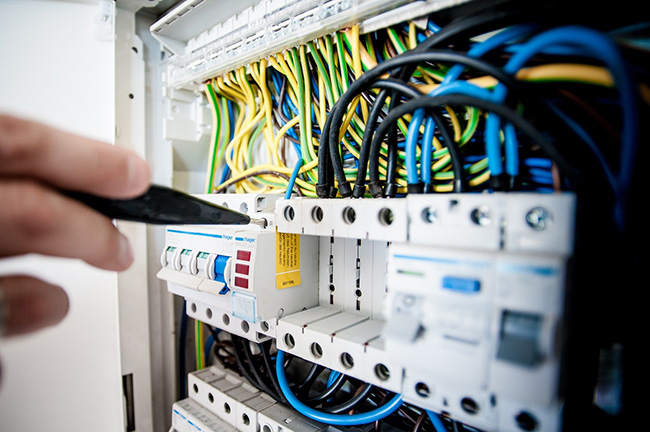
The field of electrical installation is experiencing a wave of innovations that are transforming traditional methods and introducing new, more efficient practices. These electrical innovations are designed to enhance safety, efficiency, and reliability, meeting the growing demands of modern infrastructure and smart technologies.
Modular Electrical Systems
One of the most significant advancements in electrical installation is the development of modular electrical systems. These systems use pre-fabricated, standardized components that can be easily assembled on-site. This approach reduces installation time, minimizes errors, and ensures consistent quality. Modular systems are particularly beneficial for large-scale projects, allowing for faster deployment and easier future upgrades.
Smart Electrical Panels
Smart electrical panels are another groundbreaking innovation. These panels integrate advanced monitoring and control technologies, providing real-time data on electrical consumption and system health. By using smart panels, building managers can optimize energy usage, identify potential issues before they become critical, and manage electrical loads more effectively. This integration of smart technology into electrical installation mirrors the advancements seen in new plumbing techniques, emphasizing the importance of intelligent systems in modern infrastructure.
Wireless Power Transfer
Wireless power transfer is an emerging technology that offers new possibilities for electrical installations. This method eliminates the need for physical wiring in certain applications, reducing installation complexity and improving safety. Wireless power is particularly useful in environments where traditional wiring is impractical, such as in rotating machinery or mobile devices. As the technology matures, it is expected to find broader applications, further transforming electrical installation practices.
Advanced Cable Management Solutions
Efficient cable management is crucial for the reliability and safety of electrical installations. New cable management solutions, such as flexible conduit systems and cable trays, are designed to simplify installation and maintenance. These systems provide better protection for cables, reduce installation time, and make it easier to modify or expand electrical networks. Improved cable management is a key component of modern electrical innovations, ensuring that installations are not only efficient but also scalable and adaptable.
Using Technology to Improve Installation Efficiency
The integration of advanced technology into installation practices is revolutionizing the efficiency and effectiveness of both plumbing and electrical installations. Embracing new electrical techniques and innovative tools is key to staying ahead in the industry and meeting the demands of modern infrastructure.
One major trend in electrical installation is the use of Building Information Modeling (BIM). BIM allows for precise planning and visualization of electrical systems within a building’s design. This technology helps identify potential issues before construction begins, reducing errors and rework. By coordinating with other systems, such as plumbing, BIM ensures a seamless integration of all building services.
Another significant advancement is the adoption of automated tools and machinery. Automation in electrical installation, such as robotic wire feeders and automated cable cutters, enhances precision and speed, reducing labor costs and installation time. These tools not only improve efficiency but also enhance safety by minimizing manual handling of hazardous materials.
The use of IoT (Internet of Things) devices is also transforming installation trends. Smart sensors and connected devices enable real-time monitoring and control of electrical systems, leading to more proactive maintenance and reduced downtime. For instance, smart circuit breakers can alert technicians to issues before they escalate, ensuring continuous and reliable operation.
In addition, advanced software solutions are playing a critical role in improving installation efficiency. Project management software tailored for electrical installation provides better scheduling, resource allocation, and tracking of progress. These platforms facilitate communication and collaboration among team members, ensuring that projects are completed on time and within budget.
Finally, the trend towards prefabrication is gaining momentum. Prefabricated electrical components and assemblies are manufactured in controlled environments and then transported to the job site for installation. This approach reduces on-site labor, minimizes waste, and ensures higher quality control.
By leveraging these new electrical techniques and installation trends, the industry is achieving higher standards of efficiency, safety, and reliability. The continued integration of technology into electrical installation practices is paving the way for smarter, more sustainable building solutions.
Training and Education in Modern Techniques
In the dynamic landscape of electrical installation, staying abreast of modern techniques is paramount for professionals to deliver high-quality and efficient services. Training and education play a pivotal role in equipping individuals with the necessary skills and knowledge to excel in this rapidly evolving field.
Continuous education in electrical installation is essential to keep pace with the latest advancements and best practices. Many training programs now focus on emerging technologies such as renewable energy systems, smart grids, and energy-efficient solutions. By familiarizing themselves with these new electrical techniques, professionals can enhance their expertise and offer innovative solutions to clients.
Hands-on training is also gaining prominence in electrical education. Simulated environments and practical workshops provide invaluable experience in working with advanced tools and equipment. These training sessions not only improve technical proficiency but also instill confidence in tackling complex installation tasks.
Furthermore, certifications and industry accreditations are increasingly sought after by professionals in electrical installation. These credentials validate an individual’s competence and proficiency in specific areas of expertise, such as solar panel installation or electric vehicle charging systems. Employers often prioritize candidates with relevant certifications, recognizing their commitment to continuous learning and skill development.
Collaboration between industry stakeholders and educational institutions is key to ensuring that training programs align with industry needs. By fostering partnerships and knowledge exchange, educational institutions can tailor their curricula to address emerging trends and technologies in electrical installation.
Conclusion
In conclusion, the field of electrical installation is witnessing remarkable advancements, driven by innovation and a commitment to ongoing education. From modular systems to smart panels, these innovations enhance efficiency and sustainability in building infrastructure. However, the key to unlocking their full potential lies in empowering individuals through training and education. Lifelong learning ensures that professionals remain equipped to tackle emerging challenges and deliver top-tier services. Collaboration between industry and educational institutions further strengthens this endeavor, aligning training with evolving industry needs. Together, we pave the way for a future where electrical installation is not only efficient but also sustainable and safe, enriching the lives of communities worldwide.
What new techniques are being used in plumbing installations?
New techniques in plumbing installations include the use of PEX piping for its flexibility and durability, trenchless technology for minimal disruption, and smart plumbing systems for real-time monitoring and leak detection.
Are there any recent innovations in electrical installation?
Recent innovations in electrical installation include modular systems for faster deployment, smart panels for real-time monitoring, and wireless power transfer for reduced wiring complexity.
How do new installation techniques improve efficiency?
New installation techniques improve efficiency by reducing labor time and costs, minimizing disruptions, and enhancing system reliability through advanced monitoring and control technologies.




Book Online
We'll call you back ASAP
*By submitting you are agreeing to receive occasional messages from Mr Switch. We don't spam or sell your details to 3rd parties.


