

Climate Change Effects on Electrical Services
June 3, 2024Climate change is no longer a distant threat; it is already impacting our lives in many different ways. Infrastructure, such as plumbing and electrical systems, is one that is seriously affected, yet little noticed. As the world warms and weather patterns become more erratic, these systems are under pressure like never before. The climate change impact on plumbing and electrical services may result in high costs of damages and service outages, and the vulnerability to extreme weather events increases. In this article, we shall look through how climate change affects plumbing and electrical infrastructure, discuss ways of making these systems resilient, and offer practical tips for adapting to the new environmental realities. In this way, we shall be better prepared to protect our homes and communities by being informed about the climate change impact on these very important services.
How Climate Change Affects Plumbing Systems
The impact of climate change on plumbing systems is huge and multi-faceted. With rising global temperatures and the increasing unpredictability of weather patterns, plumbing infrastructure is faced with several major challenges.
The increasing rainfall and instances of flooding are among the immediate implications of climate change in plumbing systems. Extreme weather events, like heavy storms and hurricanes, may overwhelm drainage systems and cause sewer overflows. Such overflows not only pose a health hazard but may also cause huge and extensive damage to plumbing systems in homes and businesses. Water seeps into pipes in areas that are flood-prone, causing blockages or even corroding them, which leads to very costly repairs and replacements.
Another aspect of the climate change impact is the rising incidence of droughts. Extended periods of drought can lead to a reduction in water supplies, which can cause lower water pressure in plumbing systems. Such reduced pressure can put a strain on pipes that crack and break. In some regions, the water shortage may also mean resorting to the use of recycled or desalinated water, which has different chemical compositions that might affect the durability of plumbing materials.
Temperature fluctuations are another big issue. Extremely high temperatures can cause the pipes to expand, while sudden drops in temperature can cause pipes to freeze and then burst. These temperature-related issues are especially worrisome in areas that are not traditionally acculturated to extreme weather variations because the existing plumbing systems may not be designed to cope with such stresses.
In addition, the change in weather patterns may affect the quality of the water supplied. The increased temperatures may allow the growth of harmful bacteria and algae in water sources, leading to the possibility of contamination. This requires more effective water treatment processes and puts additional stress on plumbing systems.
Resilient plumbing practices and materials would be important in mitigating these risks. Basic actions should be taken to protect plumbing systems from the adverse effects of climate change: installing backflow prevention devices, using corrosion-resistant materials, and insulating pipes properly. Maintenance and upgrading can also be done regularly to ensure the integrity of plumbing infrastructure remains functional and safe in the face of changing environmental conditions.
Climate Change and Electrical Infrastructure
The impacts that climate change causes on electrical infrastructure are a matter of great concern, considering that the frequency and intensity of extreme weather events keep rising. Electrical systems, of great importance in our daily lives and societal functioning, are most vulnerable to the effects of climate change. One can only appreciate the crucial impacts of these effects with an understanding of the causes of electrical system breakdowns and the ways to improve the resilience of electrical systems.
One of the primary ways climate change affects electrical infrastructure is through increased extreme weather events such as storms, hurricanes, and heat waves. High winds and heavy rainfall associated with storms can damage power lines, substations, and other components of the electrical grid. Flooding, a common consequence of these storms, can cause short circuits and electrical failures, especially in areas with outdated or poorly maintained infrastructure.
Heatwaves are another major force of threat to electrical systems. High temperatures that linger can cause electrical equipment to overheat, lowering the efficiency and potentially causing equipment failure. Transformers and substations are most susceptible to overheating, leading to wide power outages. Increased temperatures also mean that people use air conditioners more often, adding to energy demands and placing further load on the electrical grid.
The other consequence of climate change is droughts. In regions reliant on hydropower, reduced water levels can lead to decreased electricity generation capacity. This is bound to force reliance on other energy sources, perhaps less stable or more polluting. Besides this, dry conditions encourage the outbreak of wildfires that may destroy power lines and other infrastructures, leading to protracted power blackouts and expensive repair costs.
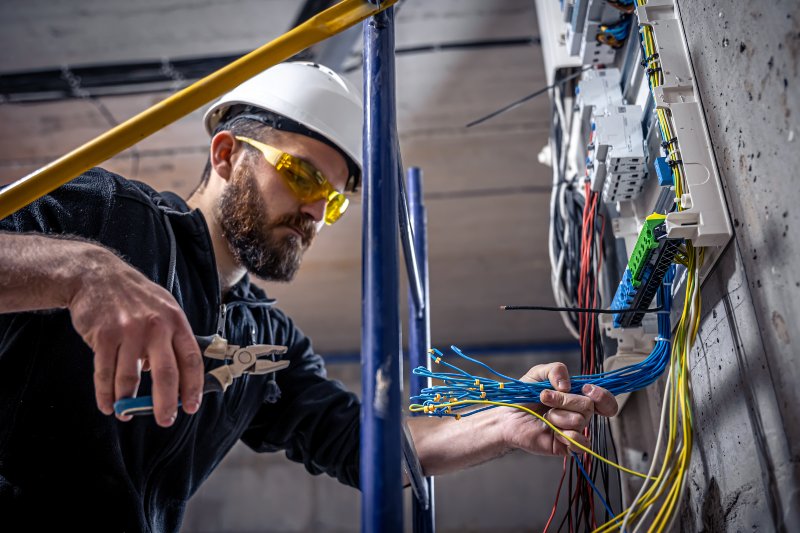
Investment in the weatherproofing and modernization of electrical infrastructure is required. This includes updating power lines so that they could better sustain the high winds and establishing flood protection around critical systems, such as substations. The material of electrical equipment can be made capable of withstanding higher temperatures, together with the incorporation of cooling systems. This can do away with the threat of overheating amid heatwaves.
Another important strategy would be to implement smart grid technology. Smart grids can quickly identify and isolate faults, thus extending the overall impact of outages and increasing the electrical supply in general. On the other hand, they allow for a better integration of renewable sources of energy, which can offer more stable and sustainable production of energy amid uncertain climatic conditions.
Decentralization of power grids through the promotion of local renewable energy production—for instance, solar panels and wind turbines—can reduce dependency on large, central power plants. The approach may enhance the resilience of electrical systems through diversification of sources and decrease the impact of localized extreme weather events.
Building Resilience in Plumbing and Electrical Systems
Infrastructure is undoubtedly being affected by climate change, and the resilience of plumbing and electrical systems needs to be further built in order to ensure that they are serviceable and reliable in increasing extreme weather conditions. With a changing climate, proactive steps can be taken to fortify these systems to mitigate damage, minimize service outages, and achieve enhanced safety.
For plumbing systems, resilience begins with material selection and designs that allow for the ability to withstand extreme weather conditions. The use of corrosion-resistant materials, such as PVC or PEX piping, can prohibit damage from increased rainfalls and flood conditions associated with climate change. Regular maintenance, such as drainage inspections and cleaning, can help prevent blockages and overflows when there are heavy rains. Additionally, installing backflow prevention devices can protect against sewage backups caused by storm surges.
In drought-prone areas, the use of water-efficient plumbing fixtures and appliances is a way to keep water at bay. Greywater or rainwater systems for non-potable uses can lighten the load on municipal water supplies and thus build resilience. Insulating pipes to prevent freezing and using heat tape can protect the plumbing system from extreme temperature fluctuations.
In regard to electrical systems, resilience involves upgrading old infrastructure as well as using new technologies. Power lines, transformers, and substations are supposed to be weatherproof so that they can withstand high winds, heavy rains, and high temperatures. Surge protectors may protect from damage by lightning strikes or even power surges.
One effective strategy is the decentralization of power generation through renewable sources such as solar panels and wind turbines. This decreases dependence on big, centralized power plants and increases the stability of the grid during extreme weather events. Resiliency can be further improved with smart grid technology through real-time monitoring and fast fault isolation, which minimizes the extent of outages.
In Sydney, Mr. Switch provides a comprehensive range of electrical services, including switchboard repairs, home inspections, electrical rewiring, and telephone wiring and networking. Their team of experienced electricians is dedicated to providing top-notch service and ensuring the safety and functionality of your electrical systems. For immediate assistance, call 1300 128 432.
Adapting to extreme weather conditions
Adaptation to extreme weather conditions is becoming of prime importance in the wake of the worsening impacts of climate change. Among the systems seriously affected are plumbing and electrical ones. Extreme weather, such as storms, floods, and heat waves, could cause great damage to buildings and disastrous losses to plumbing and electrical systems. By taking preventive action to adapt the systems, home and business owners can minimize the damage, reduce the disruptions, and keep the services on.
In adaptation to extreme weather events, strengthening plumbing systems for resilience should be considered as one of the critical actions. This may include installing backflow prevention devices, which may be used to prevent sewage backups during times of heavy rainfall and floods. The regular maintenance of drainage systems and the use of water-efficient fixtures help in mitigating water scarcity during drought. Insulating pipes and wrapping heat tapes around them helps to protect plumbing systems from freezing temperatures and, hence, pipe ruptures.
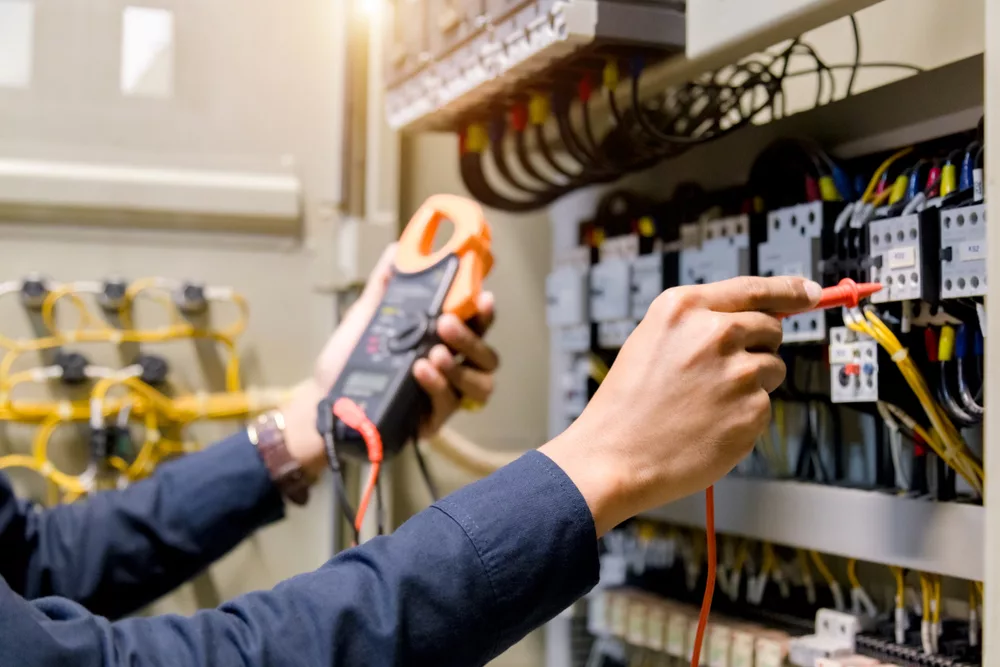
For electrical systems, adaptation is about infrastructure that can bear strong winds, high rain, and extreme changes in temperatures. It may include hardening of power lines, transformers, and substations to be more weatherproof. Installation of surge protectors and smart grid technology can also be added to protect against damage from lightning and power surges, enhancing the resiliency of the electrical grid.
Whereas infrastructure strengthening is necessary, it is equally important that emergency preparedness plans are developed. The emergency operations could include power backup, like generators, for the continuation of essential services during a power cut. Emergency supplies, like food, water, and medicines, can also be stored in case the disruption is long.
By proactively adapting plumbing and electrical systems, home and business owners can help reduce the impact climate change has on such vital systems. Resilient infrastructure must be invested in, and emergency preparedness plans developed so as to ensure a more resilient future in the face of a changing climate.
FAQ
How does climate change affect plumbing systems?
Plumbing systems face a challenge emanating from climate change in many ways. Increased rainfall and floods may strain the drainage system, leading to sewer overflows and pipe damage. Droughts can cause reduced water pressure and strained pipes, which result in cracks or breaks in the pipes. Temperature fluctuations also cause the pipes to expand and contract, possibly leading to bursts. One has to ensure the use of resilient materials and maintenance of plumbing systems to reduce these effects.
What can I do to make my electrical system more resilient to extreme weather?
You can make your electrical system more resilient to extreme weather by upgrading the infrastructure to be more weatherproof. Examples include surge protection and using anti-corrosion materials, insulation of the necessary parts, smart grid technology, and decentralization of power generation to increase resilience.
How can plumbing and electrical systems adapt to climate change?
Plumbing and electrical systems can adapt to climate change by implementing water-efficient fixtures, greywater, and rainwater catchment systems, and insulating pipes from freezing or overheating. Infrastructure maintenance and regular upgrades could also help in making infrastructure more resilient. Increasing this resilience is through developing emergency plans that can offer ways of mitigating extreme weather events.
Conclusion
The impacts of climate change on plumbing and electrical systems are multifaceted and enormous. As temperatures across the globe continue to rise and weather patterns turn increasingly erratic, the challenges to these vital infrastructural elements only grow.
With climate change, plumbing systems are likely to face increased flooding, drought, and temperature fluctuations that put the pipes and drainage systems in high demand. Therefore, the adoption of resilient materials, installation of backflow prevention devices, and water-efficient practices will be required.
The electrical systems are as susceptible to extreme weather conditions, like storms, floods, and heat waves. Therefore, the use of surge protectors, increasing the resilience of infrastructure, and the institution of smart grid technologies can help bring down the risks of outages.
Planning ahead for these challenges requires proactive measures in several sectors: upgrading infrastructures, emergency preparedness planning, and sustainable practices. These steps are the measures to build plumbing and electrical systems that are more resilient, stand against the impacts of climate change, and ensure continued functionality of the provided services.




Book Online
We'll call you back ASAP
*By submitting you are agreeing to receive occasional messages from Mr Switch. We don't spam or sell your details to 3rd parties.


