

Plumbing and Electrical Upgrades for Older Homes
June 13, 2024Upgrading plumbing and electrical systems in older homes is essential to ensure safety, efficiency, and modern functionality. Aging infrastructure can pose significant risks, including water damage, electrical fires, and higher energy costs. Understanding the challenges and planning effectively can make the renovation process smoother and more successful. Whether it’s updating old plumbing systems or electrical outlet upgrades, addressing these needs can enhance your home’s value and comfort. In this guide, we’ll explore the key aspects of plumbing upgrades and electrical updates, helping you navigate the process with confidence and clarity.
Challenges of Outdated Plumbing and Electrical Systems in Older Homes
Older homes, while often charming and full of character, come with a unique set of challenges, especially when it comes to outdated plumbing and electrical systems. These systems, if not properly maintained or updated, can lead to a variety of problems, from minor inconveniences to major safety hazards. Addressing these issues often requires comprehensive plumbing upgrades and electrical updates. Here, we will explore the specific challenges homeowners face with older plumbing and electrical systems and underscore the importance of electrical updates for home safety and efficiency.
Plumbing Challenges
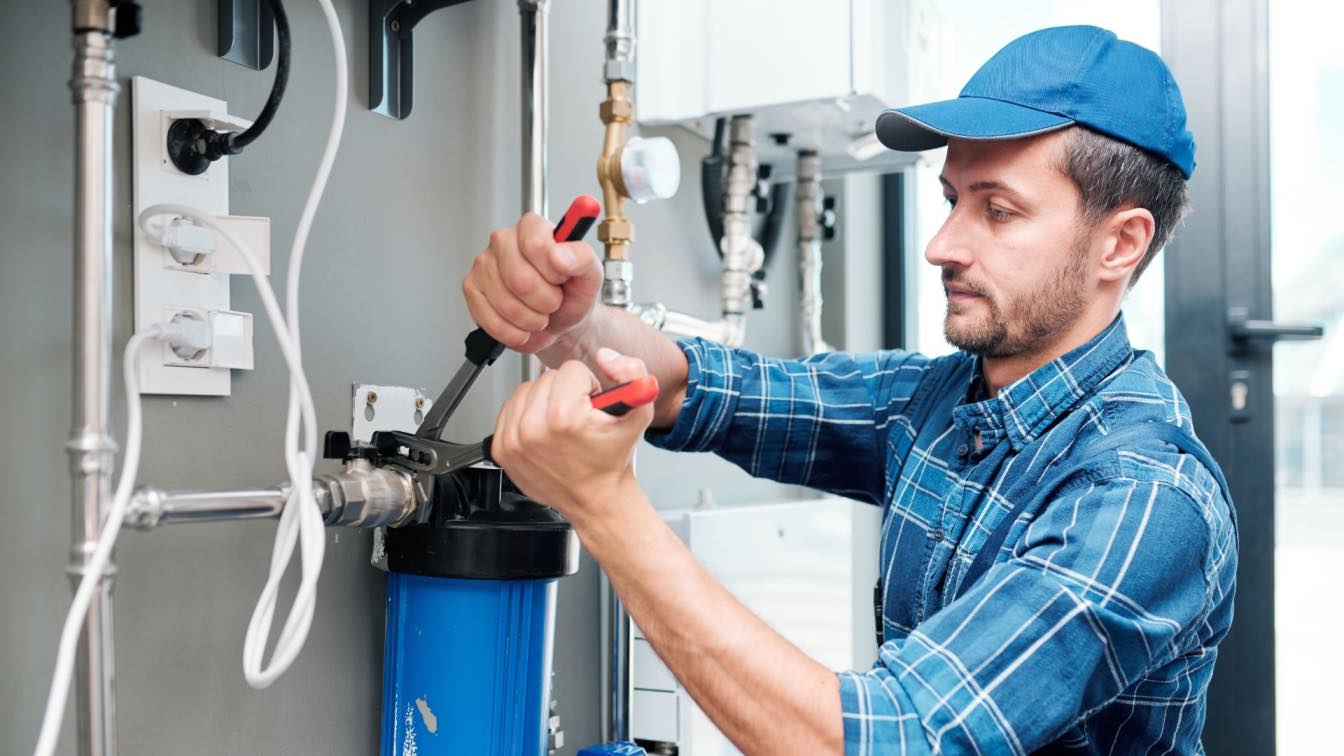
- Corroded Pipes: One of the most common issues in older homes is corroded pipes. Many older homes were built with galvanized steel or iron pipes, which are prone to corrosion over time. Corroded pipes can lead to leaks, reduced water pressure, and even burst pipes. Plumbing upgrades often involve replacing these old pipes with modern materials such as copper or PEX, which are more durable and less prone to corrosion.
- Leaks and Water Damage: Leaky pipes can cause significant water damage to a home’s structure and foundation. This not only compromises the integrity of the home but can also lead to mold growth, which poses health risks. Regular maintenance and plumbing upgrades can help identify and fix leaks before they cause extensive damage.
- Low Water Pressure: Older plumbing systems often suffer from low water pressure, which can be a result of corroded pipes, sediment buildup, or outdated fixtures. Low water pressure is not just an inconvenience; it can also indicate underlying issues that need to be addressed through plumbing upgrades.
- Outdated Fixtures and Appliances: Older homes often have outdated fixtures and appliances that are not only inefficient but also incompatible with modern plumbing standards. Replacing these fixtures is a key part of plumbing upgrades to ensure efficient water usage and compliance with current regulations.
- Clogged Drains and Sewer Lines: Over time, drains and sewer lines in older homes can become clogged with debris, tree roots, and sediment. These blockages can lead to backups and unpleasant odors. Plumbing upgrades can involve installing new, more efficient drain and sewer systems to prevent these issues.
Electrical Challenges
- Old Wiring: Many older homes still have original wiring, which may not be sufficient to handle the electrical load of modern appliances and devices. Old wiring, such as knob-and-tube or aluminum wiring, can be a fire hazard. Electrical updates typically include replacing old wiring with modern, safer alternatives like copper wiring.
- Insufficient Power Supply: Older electrical systems were not designed to support the number of electrical devices used in today’s homes. This can lead to frequent circuit breaker trips and an overall insufficient power supply. Electrical updates for home may involve upgrading the electrical panel to increase the home’s power capacity and ensure a stable power supply.
- Outdated Electrical Panels: Many older homes have outdated electrical panels that may not comply with current safety standards. These panels can be a fire hazard and may not provide adequate protection against electrical surges. Upgrading the electrical panel is a crucial part of electrical updates to enhance safety and functionality.
- Lack of Ground Fault Circuit Interrupters (GFCIs): GFCIs are essential for protecting against electrical shock, especially in areas with high moisture levels like bathrooms and kitchens. Many older homes lack GFCIs, which can be addressed through electrical updates.
- Insufficient Electrical Outlets: Older homes often have fewer electrical outlets than needed, leading to the overuse of extension cords and power strips. This can be a fire hazard and a sign that electrical updates for home are necessary to install additional outlets and ensure they are properly grounded.
- Non-compliance with Current Codes: Electrical codes have evolved significantly over the years to improve safety and efficiency. Older homes may not comply with these modern codes, posing a risk to occupants. Comprehensive electrical updates ensure that the home meets all current safety and efficiency standards.
Why Upgrading is Essential
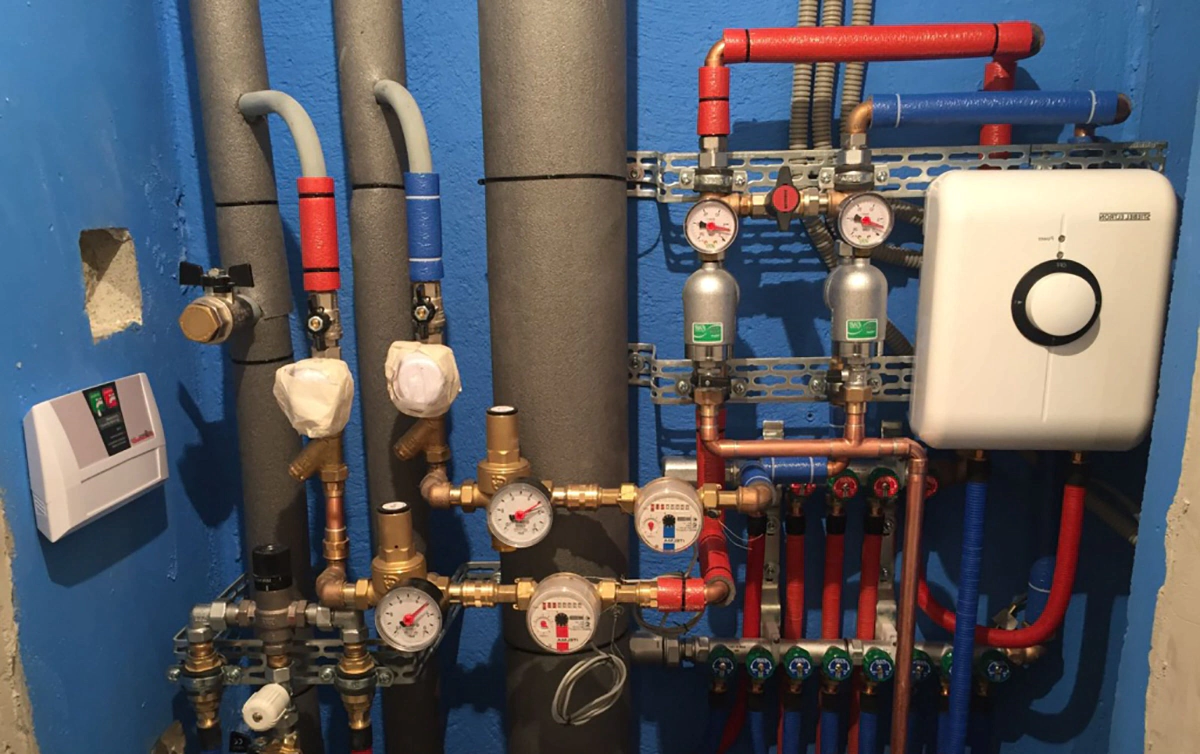
Addressing these challenges through plumbing upgrades and electrical updates is essential for several reasons:
- Safety: Old, faulty plumbing and electrical systems pose significant safety hazards, including the risk of water damage, mold growth, and electrical fires. Upgrading these systems can mitigate these risks.
- Efficiency: Modern plumbing and electrical systems are designed to be more efficient, reducing water and energy consumption and lowering utility bills.
- Property Value: Upgraded plumbing and electrical systems can significantly increase a home’s market value, making it a more attractive option for potential buyers.
- Comfort and Convenience: Upgrading ensures that your home can comfortably support all your modern appliances and devices, improving your overall quality of life.
Planning a Plumbing and Electrical Upgrade Project for an Older Home
Upgrading the plumbing and electrical systems in an older home is a significant undertaking that requires careful planning and execution. Properly renovating old plumbing systems and implementing electrical updates can vastly improve the safety, efficiency, and functionality of your home. Here’s a detailed guide on how to plan a comprehensive plumbing upgrade and electrical renovation project for an older home.
Assessing the Current State of Your Systems
- Conduct a Thorough Inspection: The first step in planning a plumbing upgrade and electrical renovation is to conduct a thorough inspection of your current systems. Hire a licensed plumber and an electrician to assess the condition of your pipes, fixtures, wiring, and electrical panels. They can identify potential issues, such as leaks, corrosion, outdated materials, and code violations.
- Identify Problem Areas: Make a list of all the areas that need attention. For plumbing, this might include old, corroded pipes, leaky fixtures, and inadequate water pressure. For electrical systems, it could involve outdated wiring, insufficient power supply, and lack of safety features like GFCIs.
Setting a Budget
- Estimate Costs: Based on the inspection results, work with your plumber and electrician to get detailed cost estimates for the necessary plumbing upgrades and electrical updates. This should include materials, labor, and any additional costs for permits or inspections.
- Prioritize Upgrades: If your budget is limited, prioritize the most critical upgrades first. Safety issues, such as replacing old wiring or fixing major leaks, should be at the top of your list. Less urgent upgrades, like updating fixtures or adding new outlets, can be scheduled for later phases.
Planning the Plumbing Upgrades
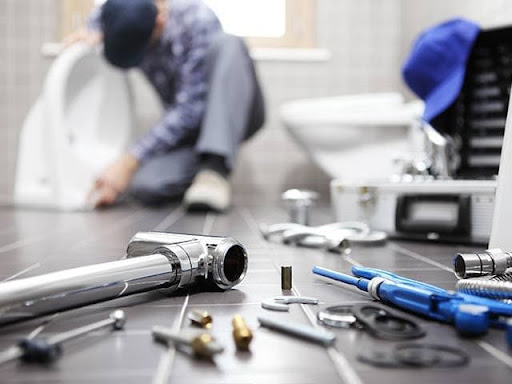
- Choosing Materials: When renovating old plumbing systems, it’s important to choose durable, modern materials. Copper and PEX are popular choices for their longevity and resistance to corrosion. Your plumber can advise you on the best options for your home.
- Upgrading Fixtures: Replacing old fixtures with modern, water-efficient ones can improve both functionality and efficiency. Look for fixtures with a WaterSense label, which indicates they meet EPA standards for water efficiency.
- Considering the Layout: If you’re planning a major renovation, consider whether the current layout of your plumbing is the most efficient. Sometimes, rerouting pipes or moving fixtures can improve water flow and reduce future maintenance needs.
Planning the Electrical Updates
- Upgrading Wiring: One of the most important electrical updates is replacing old wiring. Modern homes require wiring that can handle the load of contemporary appliances and devices. Your electrician will likely recommend replacing outdated wiring with copper wiring.
- Updating the Electrical Panel: An outdated electrical panel may not be able to support the increased electrical load of a modern home. Upgrading the panel can prevent circuit overloads and ensure a steady power supply. Consider installing a panel that allows for future expansion if you plan additional renovations.
- Adding Outlets and Safety Features: Older homes often lack sufficient electrical outlets, leading to the overuse of extension cords and power strips. Adding more outlets and ensuring they are properly grounded can reduce fire hazards. Installing GFCIs in wet areas, such as kitchens and bathrooms, is another crucial safety upgrade.
Obtaining Necessary Permits
- Check Local Codes: Before starting any work, check your local building codes to ensure your planned upgrades comply with regulations. Your plumber and electrician should be familiar with these codes and can help you navigate the permitting process.
- Apply for Permits: Most significant plumbing upgrades and electrical updates will require permits from your local building department. Applying for and obtaining these permits is essential to ensure your work is legal and meets safety standards.
Hiring Qualified Professionals
- Select Licensed and Insured Contractors: Ensure the professionals you hire are licensed and insured. This protects you in case of accidents or substandard work. Ask for references and check online reviews to gauge their reputation.
- Get Detailed Proposals: Request detailed proposals from your plumber and electrician, outlining the scope of work, materials to be used, timelines, and costs. Having everything in writing helps avoid misunderstandings and ensures you are both on the same page.
- Schedule the Work: Coordinate the schedules of your plumber and electrician to minimize disruptions. If possible, schedule plumbing work first, as some electrical upgrades might depend on the completion of plumbing tasks.
Preparing for the Renovation
- Clear the Work Area: Before work begins, clear the areas where the contractors will be working. This makes it easier for them to access the systems and reduces the risk of damage to your belongings.
- Plan for Downtime: Understand that during the renovation, certain utilities might be unavailable for a period. Plan accordingly by making temporary arrangements for water and power needs.
- Communicate with Contractors: Maintain open lines of communication with your contractors throughout the project. Regular updates can help address any issues promptly and keep the project on track.
Final Inspections and Follow-Up
- Inspect the Completed Work: Once the plumbing upgrades and electrical updates are complete, conduct a thorough inspection with your contractors. Ensure all work has been done to your satisfaction and that any issues are addressed before final payment.
- Schedule Future Maintenance: Regular maintenance is key to keeping your updated systems in good working order. Schedule routine inspections and maintenance with your plumber and electrician to catch any potential problems early.
Investing in plumbing upgrades and electrical updates for home can transform an older property, bringing numerous benefits that enhance safety, efficiency, and overall value. Understanding the advantages of these upgrades can help homeowners make informed decisions and appreciate the long-term benefits of renovating their home’s infrastructure.
Enhanced Safety
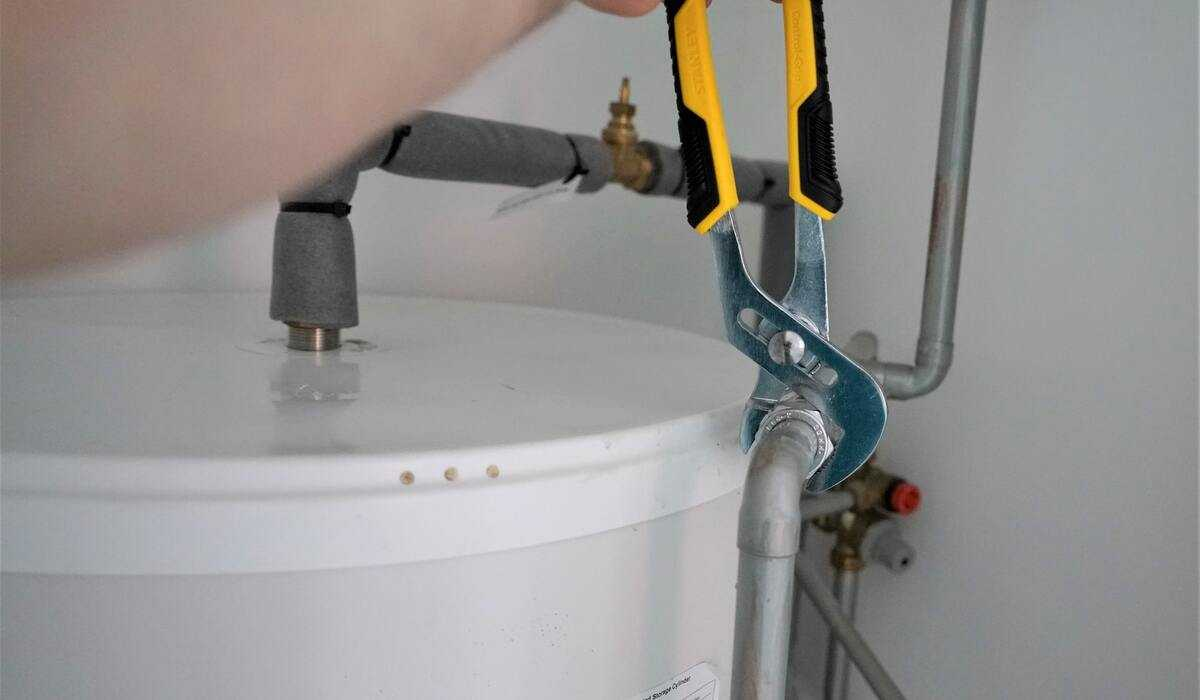
- Reduced Risk of Water Damage: Older plumbing systems are prone to leaks and bursts due to corroded or damaged pipes. Plumbing upgrades can replace these old pipes with modern, durable materials such as copper or PEX, significantly reducing the risk of water damage. This not only protects the structure of your home but also prevents costly repairs and health hazards related to mold growth.
- Fire Hazard Mitigation: Outdated electrical systems can pose serious fire risks, especially if the wiring is old or the electrical panel is overloaded. By implementing electrical updates for home, such as upgrading wiring and electrical panels, you can ensure that your home’s electrical system is safe and up to code. Additionally, installing Ground Fault Circuit Interrupters (GFCIs) and Arc Fault Circuit Interrupters (AFCIs) enhances protection against electrical shocks and fires.
Improved Efficiency and Performance
- Better Water Pressure and Flow: Plumbing upgrades can resolve issues like low water pressure and poor flow caused by clogged or corroded pipes. Upgrading to modern plumbing systems ensures consistent and reliable water pressure, improving the overall functionality of your home’s water supply.
- Energy Efficiency: Upgrading old electrical systems can lead to significant energy savings. Modern electrical systems are designed to handle the demands of contemporary appliances and devices more efficiently. This includes replacing outdated wiring and installing new, energy-efficient fixtures. Electrical outlet upgrades can also contribute to better energy management, reducing electricity waste and lowering utility bills.
Enhanced Home Value
- Increased Property Value: Upgrading the plumbing and electrical systems in your home can significantly increase its market value. Prospective buyers are often willing to pay a premium for homes with modern, safe, and efficient systems. Plumbing upgrades and electrical updates for home make your property more attractive and competitive in the real estate market.
- Appeal to Modern Buyers: Today’s homebuyers are looking for properties that meet modern standards of safety, efficiency, and convenience. Upgraded plumbing and electrical systems ensure that your home aligns with these expectations, making it more appealing to a broader range of buyers.
Enhanced Comfort and Convenience
- Reliable and Consistent Services: With modern plumbing upgrades and electrical systems, you can enjoy reliable and consistent water and power supply. This means fewer disruptions and a more comfortable living environment. No more dealing with sudden power outages or unexpected plumbing issues.
- Modern Amenities: Upgrading your home’s plumbing and electrical systems allows you to integrate modern amenities that enhance comfort and convenience. This includes installing new fixtures, smart home technology, and additional electrical outlets to accommodate all your devices and appliances. Electrical outlet upgrades ensure that you have enough outlets in the right places, reducing the need for extension cords and improving safety.
Environmental Benefits
- Water Conservation: Modern plumbing fixtures and systems are designed to conserve water. Plumbing upgrades can include installing low-flow toilets, faucets, and showerheads, which significantly reduce water usage without compromising performance. This not only lowers your water bills but also contributes to environmental conservation.
- Reduced Carbon Footprint: Upgrading to energy-efficient electrical systems reduces your home’s carbon footprint. Efficient wiring, lighting, and appliances consume less electricity, which decreases the demand on power plants and reduces greenhouse gas emissions. This makes your home more environmentally friendly and sustainable.
Compliance with Current Codes and Standards
- Meeting Building Codes: Building codes and standards have evolved over the years to enhance safety and efficiency. Older homes often do not meet these current standards. By undertaking plumbing upgrades and electrical updates for home, you ensure that your home complies with the latest codes. This is not only important for safety but also for legal compliance, especially if you plan to sell your home in the future.
- Insurance Benefits: Many insurance companies offer lower premiums for homes that meet current safety standards. Upgrading your plumbing and electrical systems can make you eligible for these discounts, providing long-term financial benefits in addition to improved safety and efficiency.
Long-Term Financial Savings
- Lower Maintenance Costs: Modern plumbing and electrical systems are more reliable and require less maintenance than older systems. By investing in plumbing upgrades and electrical outlet upgrades, you reduce the frequency and cost of repairs. This leads to significant savings over time.
- Utility Savings: Efficient plumbing and electrical systems consume less water and energy, resulting in lower utility bills. The initial investment in upgrades pays off in the long run through reduced monthly expenses.
Future-Proofing Your Home
- Prepared for Modern Technology: Upgraded electrical systems can handle the demands of modern technology, including smart home devices, advanced appliances, and high-power entertainment systems. This future-proofs your home, making it adaptable to new technologies and innovations.
- Flexible Infrastructure: Modern plumbing and electrical systems are designed with flexibility in mind, allowing for easier future upgrades and expansions. Whether you plan to add new rooms, install additional bathrooms, or incorporate new technologies, a modern infrastructure will support these changes with minimal hassle.
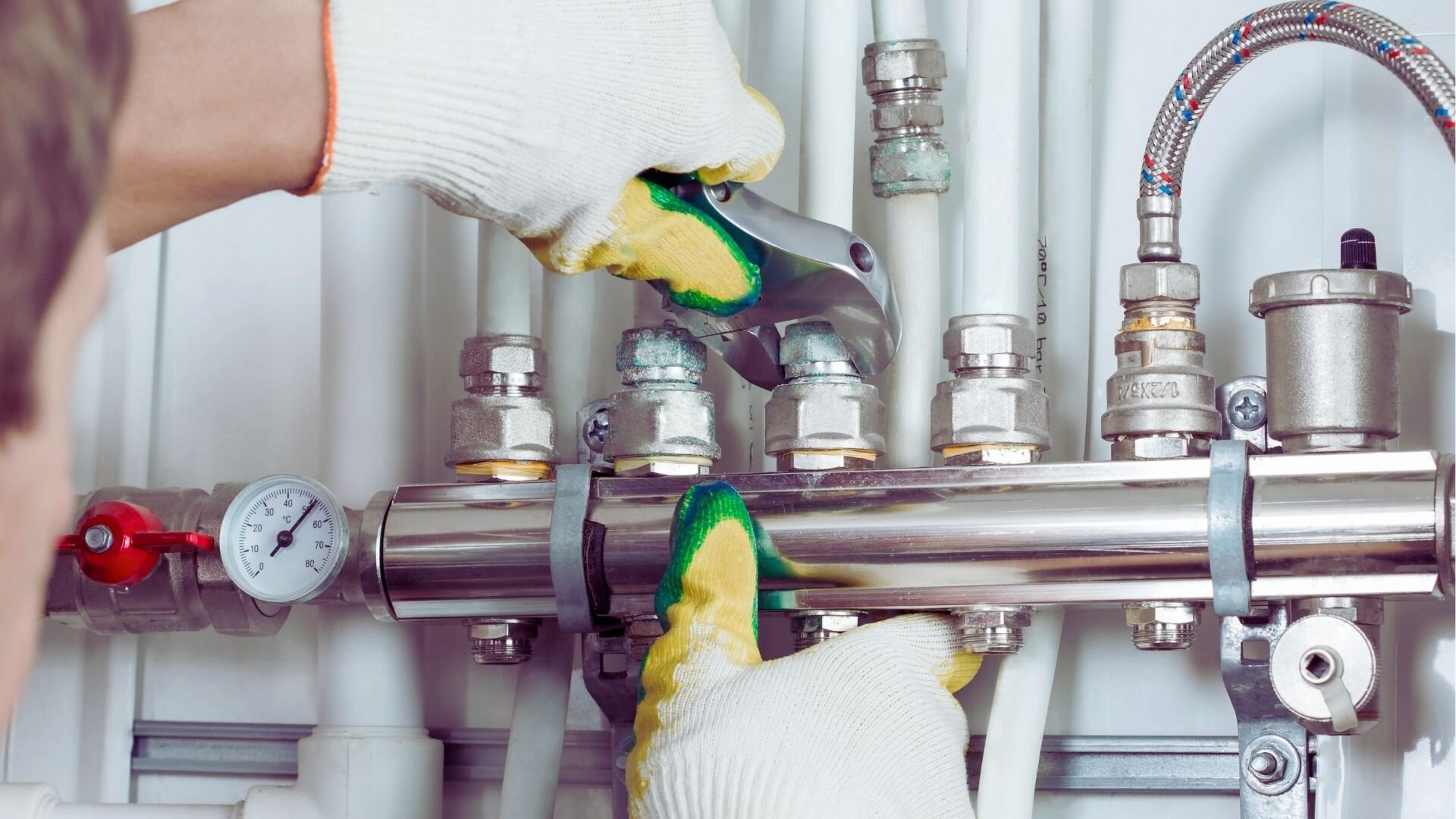
Hiring Professionals for Plumbing and Electrical Upgrades in Older Homes
When undertaking significant plumbing upgrades and electrical updates for home in older properties, hiring skilled professionals is crucial. Experts can ensure that the work is performed safely, efficiently, and up to code, preventing potential hazards and future problems. Here’s a guide on how to hire the right professionals for your project, highlighting the services offered by MrSwitch, a reputable Sydney-based electrical service provider.
The Importance of Hiring Licensed Professionals
- Safety and Compliance: Upgrading plumbing and electrical systems involves working with potentially hazardous materials and high voltages. Licensed professionals have the necessary training and experience to handle these tasks safely. They also ensure that all work complies with local building codes and regulations, which is essential for legal and insurance purposes.
- Quality Workmanship: Professionals bring expertise and attention to detail to every project. This results in high-quality workmanship that stands the test of time. For instance, in plumbing, proper installation of pipes, fixtures, and fittings prevents leaks and water damage. In electrical work, correct wiring and installations prevent fire hazards and ensure a reliable power supply.
What to Look for in a Plumbing and Electrical Contractor
- Credentials and Experience: Verify that the contractors you are considering are licensed and insured. Experience is also crucial—look for professionals who have a proven track record of handling similar projects, especially in older homes where systems might be more complex.
- Reputation and Reviews: Check online reviews and ask for references to gauge the reputation of the contractors. Satisfied customers are a good indicator of reliable and quality service.
- Detailed Proposals: Request detailed proposals from your potential contractors. These should outline the scope of work, materials to be used, costs, and timelines. Clear and comprehensive proposals help avoid misunderstandings and ensure everyone is on the same page.
Why Choose MrSwitch for Electrical Updates
MrSwitch is a leading provider of electrical services in Sydney, known for their professionalism and expertise. They offer a wide range of services suitable for both residential and commercial properties. Here are some reasons to consider MrSwitch for your electrical updates:
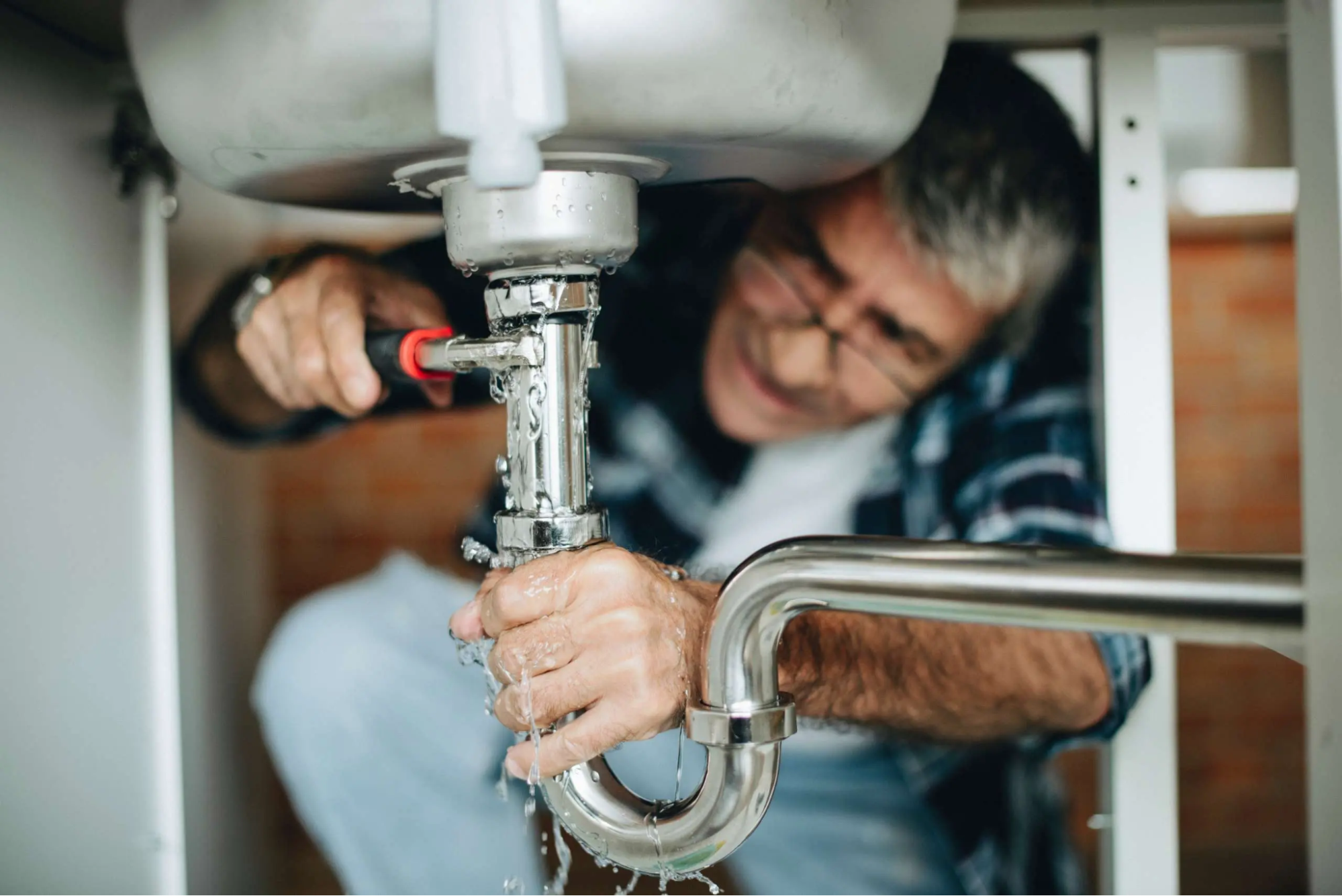
- Comprehensive Services: MrSwitch provides a variety of electrical services, including 24/7 emergency electrician services, level 2 electrical work, and both residential and commercial installations. Whether you need basic repairs or extensive renovations, they have the expertise to handle the job.
- Expertise in Older Homes: MrSwitch electricians are experienced in working with older homes, understanding the unique challenges these properties present. They can efficiently disconnect and move outlets and switches when walls need to be taken down or relocated, ensuring seamless integration with the new layout.
- Quality and Safety: With a deep understanding of health and safety regulations, MrSwitch ensures all work is up to code. Their team of licensed electricians provides free electrical safety inspections, giving you peace of mind that your home’s electrical system is safe and reliable.
- Customer Satisfaction: MrSwitch has built a strong reputation for outstanding service. Testimonials from satisfied clients highlight their professionalism, diligence, and commitment to excellence. For instance, customers like Michelle from Carlinford and Jennifer Ralph from Redfern have praised their prompt and thorough service.
Steps to Hiring the Right Professionals
- Initial Consultation: Start by scheduling an initial consultation with your chosen professionals. Discuss your project needs, budget, and timelines. Use this opportunity to gauge their expertise and approach to the job.
- Site Inspection and Assessment: A reputable contractor will conduct a thorough site inspection to assess the current state of your plumbing and electrical systems. They will provide you with a detailed assessment and recommendations for the necessary upgrades.
- Proposal and Agreement: Once you have received and reviewed detailed proposals, select the contractor that best meets your needs. Ensure all aspects of the project are covered in the agreement, including costs, timelines, and any contingencies.
- Supervision and Communication: Maintain open communication with your contractors throughout the project. Regular updates and site visits can help ensure the work progresses smoothly and any issues are addressed promptly.
Conclusion
Upgrading the plumbing and electrical systems in older homes is a significant but worthwhile investment. By addressing outdated infrastructure, homeowners can enhance safety, improve efficiency, and increase property value. Whether it’s through comprehensive plumbing upgrades or essential electrical updates for home, these improvements offer long-term benefits that go beyond immediate convenience. Hiring experienced professionals ensures that the work is done correctly and up to code, preventing future problems and ensuring peace of mind. With careful planning and the right expertise, your older home can be transformed into a modern, efficient, and safe living space that meets all your home needs.
FAQ
What are the signs that my older home needs a plumbing or electrical upgrade?
Signs include frequent leaks, low water pressure, discolored water, flickering lights, frequently tripped breakers, outdated wiring, and insufficient outlets. Any of these issues can indicate that your plumbing or electrical systems are outdated and in need of upgrading to ensure safety and efficiency.
How long does it typically take to complete plumbing and electrical upgrades in an older home?
The duration varies based on the scope of the project, but typically, comprehensive plumbing and electrical upgrades in an older home can take anywhere from a few days to several weeks. Factors include the condition of existing systems and the extent of the upgrades required.
What are the most common mistakes to avoid when upgrading plumbing and electrical in older homes?
Common mistakes include not hiring licensed professionals, ignoring building codes, using substandard materials, and failing to plan for future needs. It’s crucial to ensure that all work is performed by experienced contractors to avoid safety hazards and ensure long-term reliability.




Book Online
We'll call you back ASAP
*By submitting you are agreeing to receive occasional messages from Mr Switch. We don't spam or sell your details to 3rd parties.


