

Building Codes for Plumbing and Electrical Systems
May 24, 2024Building codes and regulations are essential for ensuring the safety, functionality, and efficiency of plumbing and electrical systems in buildings. Compliance with these codes is crucial for homeowners, contractors, and designers alike, as non-compliance can lead to serious consequences. In this article, we will explore key building codes for plumbing and electrical systems, as well as safety regulations, to help you navigate the complexities of ensuring compliance in new constructions and renovations. Understanding these codes is vital for anyone involved in the construction or maintenance of buildings, as they ensure that your home or project meets the required standards for safety and performance.
Key Building Codes for Plumbing
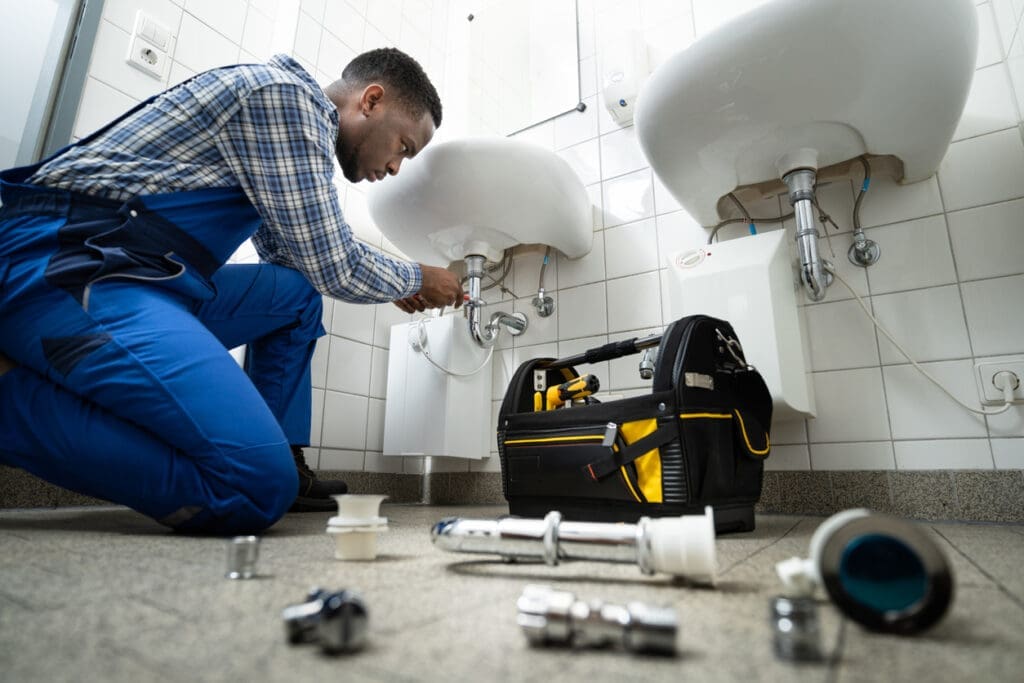
Plumbing codes are regulations that set the standards for the design, installation, and maintenance of plumbing systems in buildings. These codes ensure that plumbing systems function safely and efficiently, protecting public health and the environment. They cover aspects such as the materials used, the layout of the system, and the methods of installation.
In addition to plumbing codes, it is also important to adhere to electrical regulations. These regulations govern the installation and use of electrical systems to ensure safety and prevent hazards such as electric shocks and fires. Adhering to these regulations is crucial for the safety of occupants and the integrity of the building.
To ensure safety in plumbing and electrical services, it is essential to follow best practices. This includes using quality materials that meet the relevant standards, hiring qualified professionals for installation and maintenance, and conducting regular inspections to identify and address potential issues.
Electrical Safety Regulations: Ensuring Safe Electrical Systems
Importance of Electrical Safety
Electrical safety is paramount in building construction and maintenance to prevent hazards like electric shocks, fires, and fatalities. Adherence to electrical safety regulations and standards is crucial to ensure the safety of occupants and the structural integrity of buildings. These regulations govern the design, installation, and maintenance of electrical systems, ensuring they are safe and compliant with industry standards.
Compliance with Building Codes
Building codes and regulations, such as the National Electrical Code (NEC) in the United States, set the standards for electrical wiring, equipment, and installation. Compliance with these codes is mandatory to protect people and property from electrical hazards. Different types of buildings, such as healthcare facilities or schools, may have specific electrical safety requirements, highlighting the need for awareness and compliance with relevant regulations.
Design and Installation Requirements
Designing electrical systems to meet code requirements is crucial. Proper sizing and placement of wiring, outlets, and equipment help prevent overloading and overheating. Installation should be carried out by qualified professionals following best practices and safety guidelines to ensure system integrity and safety.
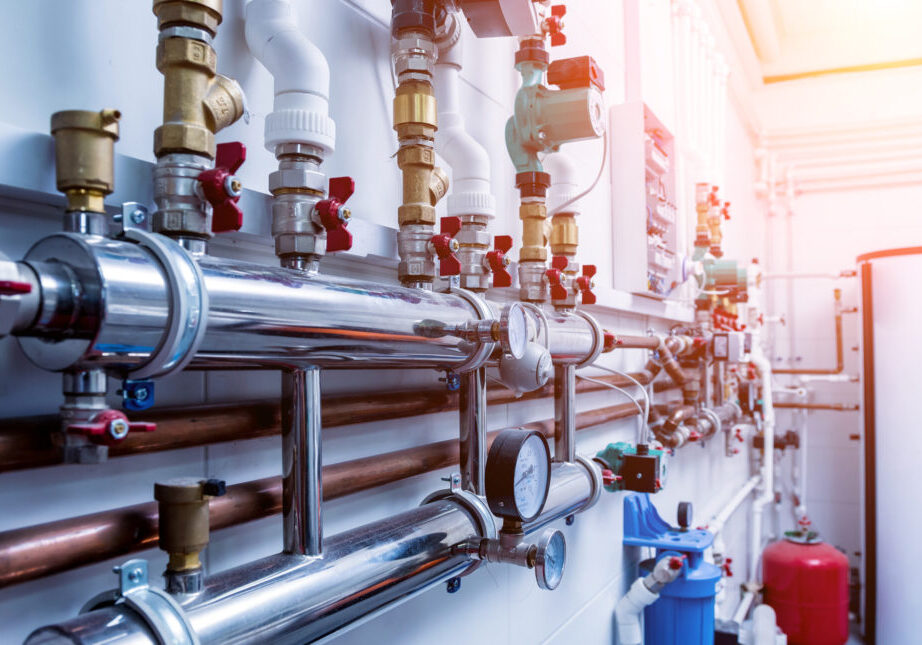
Boiler room equipment for modern heating system.
Maintenance and Inspections
Regular maintenance and inspections are essential to keep electrical systems in good working condition and compliant with regulations. These practices help identify and address potential issues before they become hazards, ensuring the ongoing safety and efficiency of the system.
Education and Training
Education and training play a vital role in electrical safety. Building occupants should be aware of basic safety practices, such as avoiding overloading outlets and using electrical appliances correctly. Professionals working with electrical systems should receive regular training to stay updated on safety practices and regulations.
Navigating Local and National Regulations
The Importance of Plumbing and Electrical Services: A Comprehensive Guide
Navigating the complex landscape of local and national regulations is crucial for ensuring the safety and compliance of plumbing and electrical systems in buildings. These regulations, which encompass plumbing codes and electrical safety codes, set the standards and guidelines for the design, installation, and maintenance of these systems. Understanding and adhering to these regulations is essential for contractors, designers, and homeowners alike to avoid costly mistakes and ensure the safety of occupants.
Local Regulations and Plumbing Codes
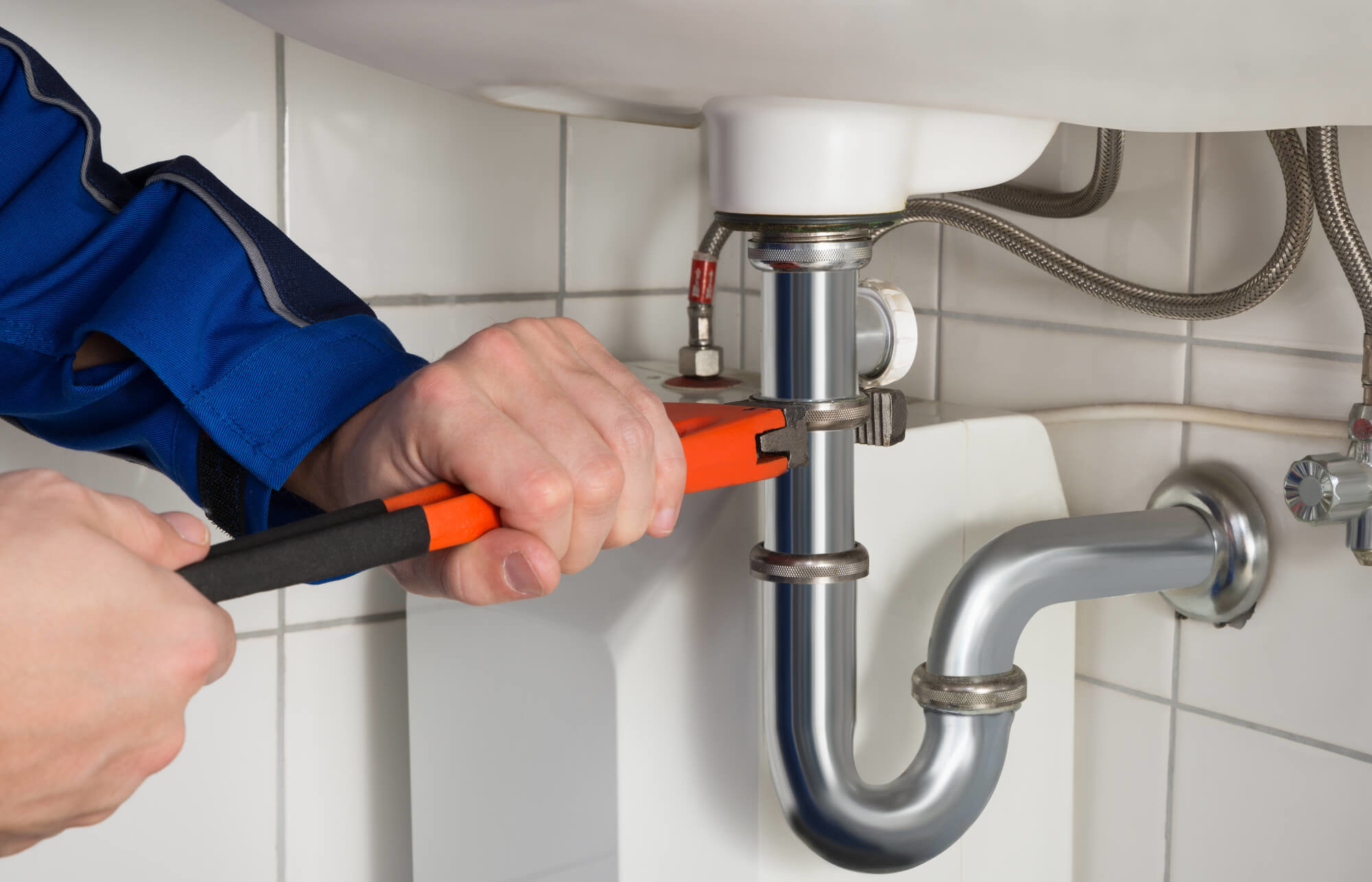
Local regulations often supplement national codes with additional requirements tailored to the specific needs of the area. These regulations may include zoning laws, water conservation measures, and environmental considerations. Plumbing codes, on the other hand, focus on the design and installation of plumbing systems, covering aspects such as pipe sizing, fixture requirements, and drainage systems. Adhering to local plumbing codes is essential for ensuring the proper functioning of plumbing systems and preventing issues such as leaks and water contamination.
National Electrical Safety Codes
National electrical safety codes, such as the NEC in the United States, set the standards for the safe installation and use of electrical systems. These codes cover a wide range of topics, including wiring methods, grounding requirements, and equipment specifications. Compliance with national electrical safety codes is crucial for preventing electrical hazards such as shocks and fires and ensuring the safety of occupants.
Compliance Challenges and Solutions
Navigating local and national regulations can be challenging due to the complexity and frequent updates of the codes. Contractors and designers must stay informed about changes to the codes and ensure that their projects comply with the latest requirements. One way to address these challenges is to work with professionals who have experience navigating the regulatory landscape and can provide guidance on compliance issues.
Ensuring Compliance in New Constructions and Renovations
Ensuring compliance with plumbing codes and building regulations is paramount in new constructions and renovations. These codes and regulations are in place to safeguard the integrity of plumbing systems and the overall safety of buildings. Understanding the requirements and adhering to them during the design, construction, and inspection phases is essential to avoid costly rework and ensure the safety and functionality of the plumbing systems.
Importance of Plumbing Codes
Plumbing codes are a set of standards that govern the design, installation, and maintenance of plumbing systems. These codes ensure that plumbing systems are safe, sanitary, and efficient. Compliance with plumbing codes is critical in new constructions and renovations to prevent issues such as leaks, water contamination, and improper drainage.
Building Compliance and Plumbing Systems
Building compliance encompasses a wide range of regulations and standards that buildings must meet to ensure the safety and welfare of occupants. This includes compliance with plumbing codes, which are an integral part of building compliance. Building compliance also involves adherence to other regulations related to structural integrity, fire safety, and accessibility.
Ensuring Compliance in New Constructions
In new constructions, compliance with plumbing codes begins with the design phase. Designers and engineers must ensure that plumbing systems are designed to meet code requirements for pipe sizing, fixture placement, and drainage design. During construction, contractors must follow the approved design plans and use materials that meet code standards. Inspections are conducted at various stages of construction to verify compliance with plumbing codes and other building regulations.
Ensuring Compliance in Renovations
Renovations present unique challenges when it comes to compliance with plumbing codes. In many cases, existing plumbing systems may not meet current code requirements. Renovations involving plumbing systems must be carefully planned to ensure that upgrades are made to bring the systems into compliance. This may involve replacing old pipes, updating fixtures, and ensuring proper drainage.
Conclusion
In summary, following plumbing codes and building rules is crucial in new construction and renovations. These rules ensure that plumbing systems are safe, work well, and meet environmental standards. Not following these rules can lead to expensive fixes, unsafe conditions, and legal problems. It’s important for designers, builders, and homeowners to stay informed about these rules and work with experts who know them well. This helps ensure that plumbing systems last long, work safely, and keep buildings in good shape.
FAQ
What are some key building codes for plumbing and electrical systems?
Key building codes for plumbing include requirements for pipe sizing, fixture placement, drainage design, and materials used. These codes ensure that plumbing systems are safe, sanitary, and efficient. Electrical codes cover wiring methods, grounding requirements, and equipment specifications to prevent hazards such as electric shocks and fires.
How can I ensure my home is code-compliant?
To ensure your home is code-compliant, you should consult with a qualified professional, such as a plumber or electrician, who is familiar with local building codes. They can inspect your plumbing and electrical systems to ensure they meet code requirements. It’s also important to obtain the necessary permits for any construction or renovation work and to have inspections done at various stages of the project to verify compliance.
What happens if I don’t follow building codes?
If you don’t follow building codes, you may face legal consequences, including fines or penalties. In addition, your insurance coverage may be affected, and you could be held liable for any damages or injuries that occur as a result of non-compliance. Non-compliance can also lead to issues when selling your home, as buyers may require proof of code compliance before purchasing. Overall, it’s important to follow building codes to ensure the safety, efficiency, and legality of your home.

Book Online
We'll call you back ASAP
*By submitting you are agreeing to receive occasional messages from Mr Switch. We don't spam or sell your details to 3rd parties.


