


Electrical Safety Tips for Homeowners
Electrical safety is an important concern that will make a house safe and sound. Whether you are working on a DIY project, building new appliances, or just in your daily routine, it is most important that you learn the ins and outs of electrical safety. Without considering the potential hazards, this may lead to potentially serious outcomes, such as electrical fires, shocks, and damage to your property. This guide will highlight some important tips and best practices to ensure safety in your home and keep your electrical systems in top condition. By following these tips, you will not only make your home safer but also ensure the safety of your family. Let’s go ahead to make your home environment a better one by improving electrical safety.
Common Electrical Hazards at Home
This encompasses electrical hazards in one of the main things considered in keeping a safe house, ranging from old wiring to overload in outlets. Such are dangerous since they may shock a person or even have a fire in the house. We will now look at some of the most common electrical hazards and give some tips to prevent them from becoming great issues.

Outdated Wiring
Older homes often have wiring not up to current safety standards. Outdated wiring can be a serious electrical hazard—an electrical fire or even a power outage. If you live in an older home, consider having a licensed electrician inspect your wiring to ensure it is up to code.
Alert: Watch for flashing lights, circuit breakers continually tripping, and warm or hot outlets, which can all be indications of bad wiring. Don’t hesitate to have someone you trust inspect your electrical system.
Overloaded Outlets
Many modern households find that the outlets are insufficient to accommodate their electrical needs, and the high number of devices plugged into a single outlet or power strip can overload the circuit and risk causing a fire.
Safety Tip: If you do use multiple strips of power, don’t use them all on a single outlet, and don’t daisy-chain them. Distribute your electrical load across multiple outlets, and if that’s not enough, install more circuits.
Faulty Appliances
Another hazard is worn-out or frayed electrical cords on any appliances. Without proper repair, these can lead to electrical shocks or even fires.
Safety Tip: Check your appliances regularly for signs of wear, such as frayed cords or broken plugs. If an appliance becomes excessively hot during operation, it may be unsafe. Replace or repair any faulty appliances immediately, and do not use them until they are repaired.
Wet Areas and Electricity
Water and electricity don’t mix. Any electrical components or appliances in wet areas like bathrooms or kitchens pose a risk of shock.
Safety Tip: Most wet areas have outlets, be sure to include GFCIs on them. GFCIs can detect electrical imbalances and turn off power immediately to prevent shocks. If you do not have GFCIs on your outlets, let an electrician install them.
Knowing these common electrical hazards and taking measures of prevention will help you and your family make your homes even safer. Always keep in mind the concept of electrical safety and seek professional advice when necessary to make your home as safe as possible.
How to Ensure Electrical Safety
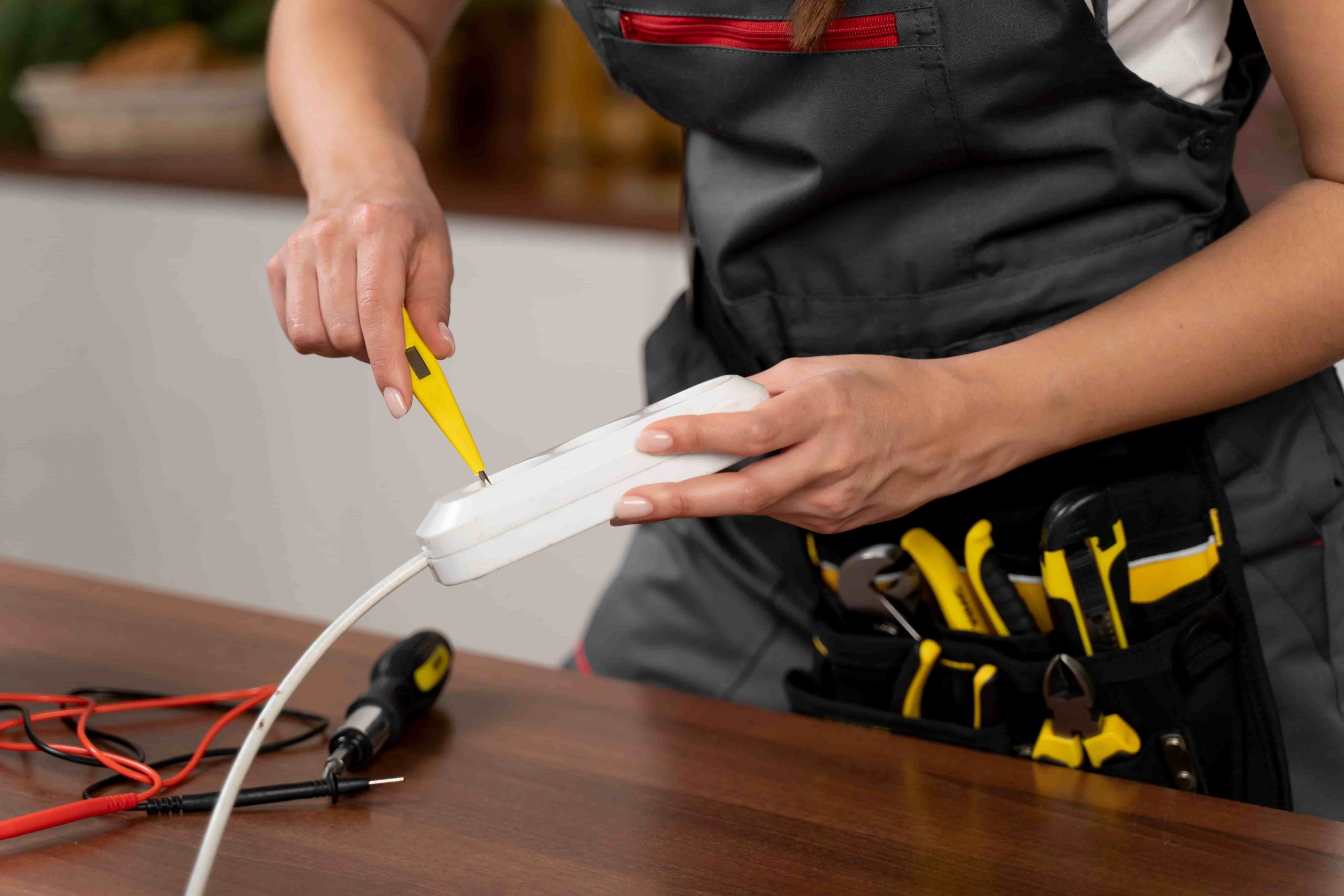
Electrical safety is one of the cornerstones of home security. To prevent electrical fires and other hazards, one must have a proper understanding of the issues at stake, as well as regular maintenance and safe practices. To achieve electrical safety, here are some key strategies that will assist you in protecting your home from electrical fires.
Conduct Regular Electrical Inspections
A licensed electrician should inspect any potential problem with the electrical system of your home regularly. These prevent electrical safety problems from getting worse.
Tip: Schedule an electrical inspection every couple of years, or sooner if you notice signs of trouble, such as flickering lights, tripped breakers, or unusual electrical odors. You should plan this even for earlier times if you own an older home.
Use Proper Electrical Equipment
The right equipment can save lives and avoid fire or other hazards. Make sure electrical components are updated to meet the standards of safety.
Tip: Only use appliances and equipment that have been safety-tested by reputable safety organizations, such as Underwriters Laboratories (UL). Do not use knockoffs or uncertified electrical products, as they can pose severe risks.
Avoid Overloading Circuits
Electrical fire is caused by an overloaded circuit. Be cautious of how many devices you plug into a single circuit and distribute the electrical loads appropriately.
Tip: If your circuits keep tripping your breaker, it could be because of overload. Maybe you need more circuits or need to redistribute your devices to avoid this. If you’re unsure, don’t hesitate to consult with an electrician.
Install and Test Smoke Detectors
I have put great emphasis on smoke detectors. Smoke detectors are a very useful tool for sensing electrical fires early. So have installed smoke detectors in key parts of your house and ensure that you test them regularly.
Tip: Smoke detectors should be installed on every level of your home, over every sleeping area, and in the electrical panel room. Test them monthly; change batteries once a year or as needed.
Practice Safe Appliance Use
Electrical appliance safety plays a significant role in preventing electrical fire. It is therefore essential to read and observe the manufacturer’s instructions, as well as be very vigilant with the use of high-wattage devices.
Tip: Never leave space heaters or irons running unattended. Unplug devices when not in use, and ensure cords are conditioned and not frayed or damaged. Do not use an extension cord for a long time and instead have additional outlets installed if needed.
Educate Your Family on Electrical Safety
Everyone at home should know how to get at the basics of electrical safety so that they can avoid accidents and act appropriately in case of an emergency.
Prevention: Educate your family about electrical safety, including overload protection in outlets, safe water behavior around electrical items, and understanding how to employ the use of a fire extinguisher. Establish an emergency plan and practice.
The strategies and tips above can significantly reduce the risks of electrical fires and a safe home environment. Always remember, one can never go wrong by being proactive and cautious about electrical safety matters. If you’re not sure about your electrical system, seek professional advice to be on the safe side.
Understanding Electrical Panels and Breakers
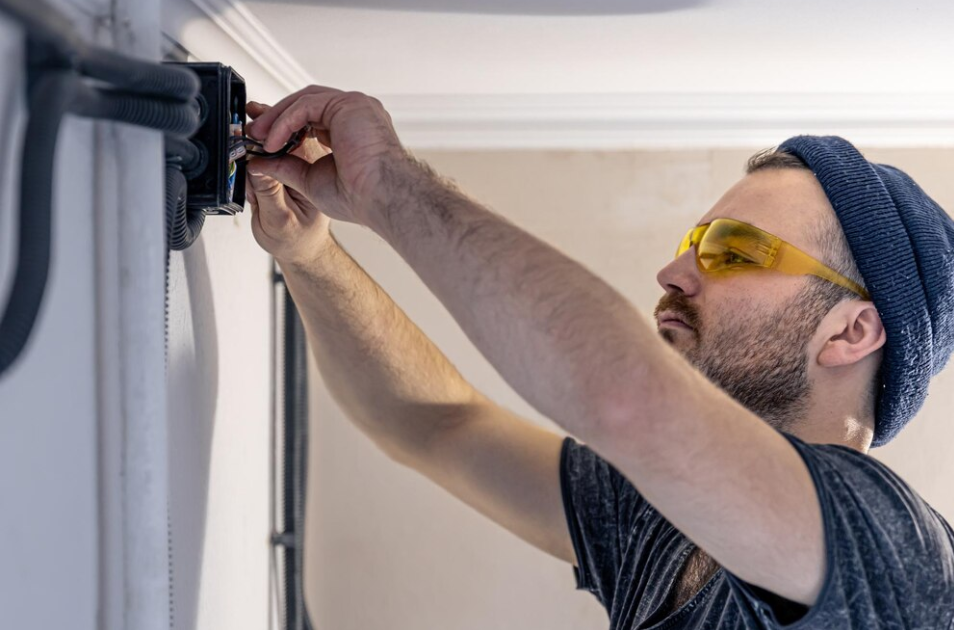
The heart of safety in your home is electrical panels and breakers. These regulate and distribute electricity safely and in the right way around the property. Understanding what they do and how to keep them in top condition can be quite contributing to home safety, thereby reducing electrical fires and other hazards. Let’s look at the basics of electrical panels and breakers, as well as key safety tips to keep them in perfect condition.
What is an Electrical Panel?
An electrical panel, commonly also referred to as a breaker box, is your home’s central point of distribution for electricity. Coming directly from the utility company, electricity gets parceled out into a series of circuits that power different parts of your home. Within the panel, there exist circuit breakers or fuses that regulate the flow of electricity to the individual circuits.
Safety Tip: Ensure that your electrical panel is accessible and well-labeled. Labels help you identify and isolate specific circuits quickly in case of an emergency or during maintenance.
Understanding Circuit Breakers
Electric circuit breakers are installed in a house to protect it against electrical overloads or short circuits. In the event of an overload or fault, it trips to disconnect a circuit to prevent overheating or even catching fire.
Safety Tip: A tripped breaker keeps tripping: there is a problem – be it that the circuit is overloaded, there are faulty wires or any other one of a multitude of reasons. Do not repeatedly reset the same tripped breaker until you have had it diagnosed properly by a licensed electrician.
Common Issues with Electrical Panels
As with any other aspect of your home, electrical panels can start to take on problems over time. These can include corroded connections, outdated components, or insufficient capacity for modern electrical demands. Such problems could greatly contribute to increased risk for electrical fires if not attended to.
Safety Tip: Look for signs of trouble, such as rust on the panel, a burning smell, or unusual heat. Have a professional inspect the panel if you see these signs. You should also consider replacing an older panel that doesn’t meet current safety standards or find yourself frequently overloading circuits.
Maintaining Electrical Panels and Breakers
Regular maintenance of your electrical panel and breakers is the secret to ensuring electrical safety. Proper maintenance helps prevent electrical fires and extends the life of your electrical system.
Safety Tip: Schedule and conduct regular inspections of the electrical panel to view wear and tear, loose connections, signs of overheating, etc. The cover of the electrical panel should be properly secured, and objects close to or reaching the panel can burn away from you.
Electrical Panels and Home Safety
Home safety is paramount due to the fact that a well-maintained electrical panel helps prevent electrical fires, as well as ensuring that your electrical system functions at its optimal. Understanding and taking care of your electrical panel will go a long way in reducing risks and enabling a safer environment within your home.
Safety Tip: Educate your family members on the importance of electrical panels and breakers. Point out where the panel is and teach all family members how to turn off power safely and quickly in an emergency situation. Knowledge like this could save lives in unexpected situations.
Knowing electrical panels and breakers, and practicing security precautions, will ensure that your home stays safe from electrical hazards and will greatly reduce the risk of electrical fires. In any case of uncertainty, always consult a professional, as you are certain that your electrical system is working safely and efficiently.
Electrical Safety Checklist for Homeowners
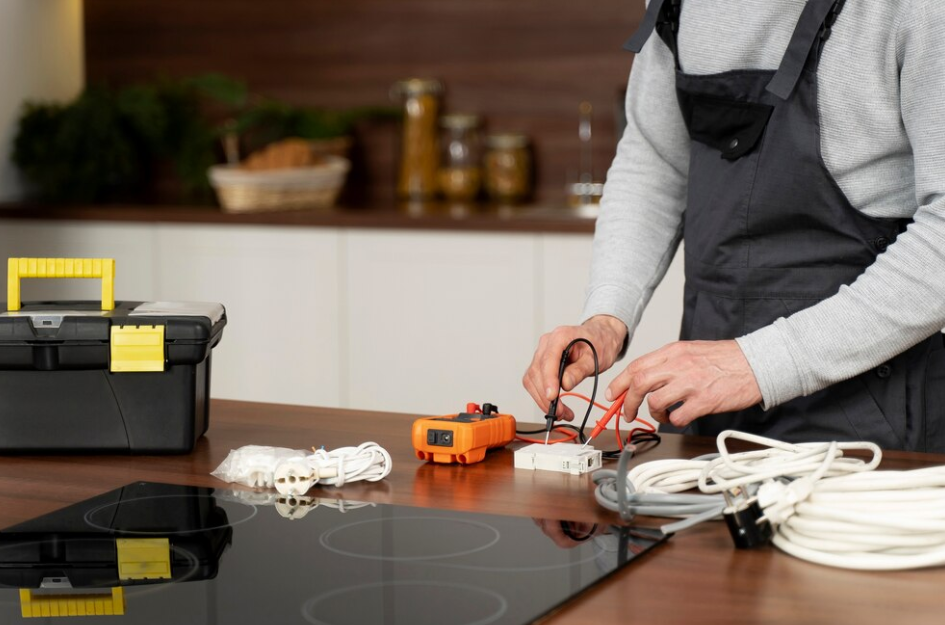
The safety of electric energy within houses can be ensured through regular home inspections, proper and attentive usage of the electrical device, and proactive measures to prevent accidents. Checklist on electrical safety from homeowners—This homeowner checklist is a comprehensive guide meant to keep your home safe from electrical hazards. Let’s look at the most important steps that we should take to ensure home safety.
Inspect Electrical Wiring
Damaged or old wiring is a severe fire risk factor. Inspect your home’s wiring regularly for signs of wear and tear.
Safety Tip: Inspect the wires for frayed, cracked, or discolored insulation. Suspect a wiring problem? Call a licensed electrician now.
Test Ground Fault Circuit Interrupters (GFCIs)
They are effective against electrical shocks in wet areas such as bathrooms and kitchens. Regular checking is necessary to ensure they are functioning.
Test the button on a GFCI to ensure that it trips and resets it to zero. If they do not trip and reset, replace them or let a professional do it for you.
Check Circuit Breakers and Electrical Panels
Your electrical panel and circuit breakers form the center of home security. Therefore, they must be kept in good condition to prevent overloads and electrical fires.
Safety Tip: Keep the electrical panel clean, labeled, and free from obstructions. Test circuit breakers to ensure they trip and reset properly. A circuit breaker that keeps tripping may be indicative of deeper trouble that requires the help of a qualified electrician.
Ensure Proper Use of Extension Cords and Power Strips
Improper use of extension cords and power strips can lead to electrical hazards and fires.
Safety Tip: An extension cord is an okay solution to a problem temporarily, but it should not be used for the long haul—that’s to say, it should never be used for permanent wiring. Never daisy-chain power strips together; consider that each power strip should have its own built-in circuit breaker or surge protector.
Maintain Safe Appliance Use
A defective or faulty machine may even be dangerous; hence, regular maintenance is very much imperative.
Safety tip: Check appliances regularly for damage, such as frayed wires or broken plugs. Always unplug appliances when not in use, and never overload outlets with multiple high-wattage devices.
Test Smoke Detectors and Carbon Monoxide Detectors
Smoke detectors and carbon monoxide detectors are indispensable in home safety. Regular testing will ensure that they are functioning correctly.
Remember to check your smoke and carbon monoxide detectors every month. Change batteries annually, and ensure there are enough detectors—and that they are installed in areas critical to the safety of your home. Safety Tip.
Avoid Water Near Electrical Devices
Water and electricity do not mix. Keep electrical devices and outlets away from water sources.
Prevention Step: Install watertight covers on outdoor receptacles, and ensure all indoor receptacles in sinks or other bodies of water have GFCI protection. Keep cords and appliances away from damp or wet locations.
Educate Your Family About Electrical Safety
Everyone in the household should know the basics of electrical safety.
Safety Hint: Train your family not to touch the electrical appliances or devices with wet hands, and not to fiddle with any electrical part. Have a fire evacuation plan and know how to exit the house in case of an emergency.
This electrical safety checklist will go a long way in reducing the risks of electrical hazards in your home. With regular maintenance and awareness, a safe environment is provided for you and your family. Remember to seek professional guidance if ever you feel the electrical system in your home might be unsafe.
Conclusion
Maintenance of electrical safety should include safe and hazard-free maintenance in the home. Electrical hazards are common, proper maintenance of electrical panels and breakers, and adherence to a comprehensive safety checklist will reduce the risk of electrical fires and accidents to the greatest possible extent.
Remember that electrical safety is a responsibility for life. Regular inspections, proper use of electrical equipment, and training your family in the safe use of electrical appliances all contribute to a safer living environment. In case you encounter any electrical problem that you are not completely assured of, do not hesitate to seek professional advice from a licensed electrician.
Electrical safety is not only protects your dwelling and property but also your family. Being proactive and vigilant will create a comfortable and safe home. This guide should serve as a reference point and electrical safety should become part of your home’s safety plan.
FAQ
What are the main electrical safety hazards in a home?
Common electrical safety hazards in a home include outdated wiring, overloaded circuits, faulty appliances, and improper use of extension cords. These risks can lead to electrical shocks, fires, and other dangerous outcomes.
How can I prevent electrical fires?
To prevent electrical fires, ensure regular maintenance of your electrical system, avoid overloading circuits, and use only certified electrical products. Install smoke detectors and Ground Fault Circuit Interrupters (GFCIs), and ensure your electrical panel and circuit breakers are in good condition.
What should I do if there’s an electrical emergency?
In case of an electrical emergency, like a fire or severe electrical shock, immediately call emergency services. If it’s safe, turn off power at the electrical panel, but never use water to extinguish electrical fires. Evacuate the area and avoid touching any electrical equipment until professionals arrive.


Book Online
We'll call you back ASAP
*By submitting you are agreeing to receive occasional messages from Mr Switch. We don't spam or sell your details to 3rd parties.


