

Trends in Plumbing and Electrical System Design
June 24, 2024The design of plumbing and electrical systems has undergone significant transformations over the years. With advancements in technology and an increasing emphasis on sustainability, modern buildings are now equipped with innovative solutions that enhance efficiency and functionality. This article explores the latest plumbing trends and electrical system designs, delving into the evolution of these systems, the role of smart technology, and the push toward energy efficiency. By understanding these trends, homeowners and builders can make informed decisions that not only meet current needs but also anticipate future demands.
The Evolution of Plumbing System Design: Past, Present, and Future
Plumbing systems have come a long way from their rudimentary beginnings to the sophisticated networks we see in modern buildings today. Understanding the evolution of plumbing design helps us appreciate the advancements and foresee future plumbing trends.
Past
In the past, plumbing systems were basic and primarily designed to provide water supply and sanitation. Ancient civilizations, such as the Romans, made significant strides with their aqueducts and public baths, setting early standards for water distribution and waste management. However, these systems lacked the efficiency and technology we now take for granted.
Present
Today, plumbing systems are far more advanced, incorporating the latest plumbing technology to enhance efficiency, safety, and sustainability. Modern plumbing designs feature high-efficiency fixtures, smart water meters, and advanced leak detection systems. These innovations not only conserve water but also reduce utility costs and prevent potential damage from leaks.
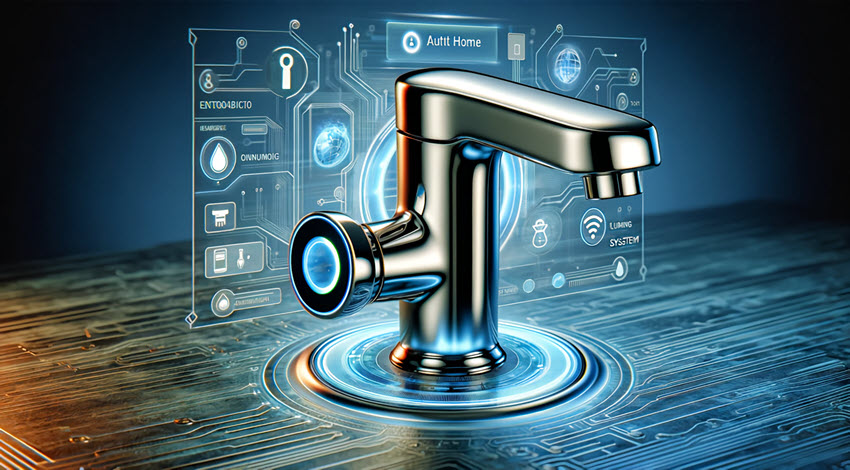
One of the most notable plumbing trends is the integration of smart technology. Smart faucets, showers, and irrigation systems allow for remote control and monitoring, providing homeowners with greater convenience and control over their water usage. Additionally, touchless fixtures, which gained popularity during the COVID-19 pandemic, are now a staple in both residential and commercial properties, promoting hygiene and reducing the spread of germs.
Future
Looking ahead, the future of plumbing design is set to be revolutionized by new plumbing technology that emphasizes sustainability and resource efficiency. Greywater recycling systems, which repurpose wastewater from sinks and showers for irrigation and toilet flushing, are becoming more common. This not only reduces water consumption but also lowers the burden on municipal water systems.
Another emerging trend is the use of renewable energy sources to power plumbing systems. Solar water heaters and geothermal heat pumps are increasingly being integrated into residential and commercial properties, providing eco-friendly alternatives to traditional water heating methods.
Moreover, the Internet of Things (IoT) is expected to play a significant role in future plumbing systems. IoT-enabled devices can communicate with each other to optimize water usage, detect issues in real-time, and provide predictive maintenance, ensuring that plumbing systems are always operating at peak efficiency.
By staying abreast of these plumbing trends and incorporating the latest plumbing technology, homeowners and builders can design systems that are not only efficient and reliable but also environmentally friendly and future-proof.
Innovations in Electrical System Design for Modern Buildings
The electrical system design in modern buildings has evolved significantly, integrating cutting-edge technologies to enhance functionality, safety, and energy efficiency. These innovations are crucial for addressing the growing demands of contemporary living and the need for sustainable practices.
Advanced Electrical System Design
Today’s advanced electrical system design focuses on incorporating smart technologies that improve efficiency and user experience. One of the key features of modern electrical systems is the use of smart grids. These grids allow for better energy management by enabling two-way communication between the utility company and the consumer. This not only optimizes electricity distribution but also helps in reducing energy consumption during peak hours.
Another major advancement is the integration of smart home devices. From smart thermostats and lighting systems to advanced security systems, these devices can be controlled remotely via smartphones or voice-activated assistants. This level of control not only adds convenience but also enhances energy efficiency by allowing users to monitor and adjust their energy use in real-time.
Future Electrical System Design
Future electrical system design is geared towards even greater efficiency and sustainability. One of the most promising trends is the incorporation of renewable energy sources. Solar panels, wind turbines, and energy storage systems are becoming integral parts of building designs. These renewable sources not only reduce reliance on fossil fuels but also provide a more resilient energy supply.
The use of energy-efficient lighting, such as LED and OLED technologies, is also a significant trend. These lighting solutions consume less power and have longer lifespans compared to traditional incandescent bulbs, contributing to lower energy costs and reduced environmental impact.
Moreover, the concept of microgrids is gaining traction. Microgrids are localized grids that can operate independently from the traditional grid. They provide a reliable power supply during outages and can be integrated with renewable energy sources, further enhancing their sustainability.
Integration with Plumbing Trends
Interestingly, some innovations in electrical system design are closely linked to plumbing trends. For instance, smart water heaters are designed to work efficiently with solar power, reducing energy consumption and utility costs. Additionally, the integration of IoT devices in plumbing and electrical systems allows for seamless monitoring and control, ensuring that both systems work in harmony to optimize resource usage.
Trends in Energy-Efficient Electrical System Design
Energy efficiency is a top priority in modern electrical system design, driven by the need to reduce energy consumption, lower costs, and minimize environmental impact. Emerging trends in this area are transforming how buildings manage and use electrical power, integrating advanced technologies and sustainable practices.
Advanced Electrical System Design
One of the foremost trends in energy-efficient electrical system design is the adoption of advanced electrical systems that prioritize energy savings and sustainability. Smart grids, which facilitate real-time monitoring and control of energy usage, are at the forefront of this trend. These systems allow for more efficient energy distribution and consumption, reducing waste and optimizing performance.
Renewable Energy Integration
Integrating renewable energy sources such as solar panels, wind turbines, and geothermal systems into building designs is becoming increasingly common. These sources provide clean energy, significantly reducing the carbon footprint of buildings. For instance, solar panels can be used to power various electrical systems, including new plumbing technology like smart water heaters and pumps, creating a cohesive, energy-efficient infrastructure.
Energy-Efficient Lighting
Another significant trend is the widespread use of energy-efficient lighting solutions, such as LEDs and OLEDs. These lighting technologies consume significantly less power compared to traditional incandescent or fluorescent lights, have a longer lifespan, and offer better performance. Integrating these lighting solutions into building designs not only reduces energy consumption but also lowers maintenance costs.
Smart Building Management Systems
Smart building management systems (BMS) are becoming an integral part of energy-efficient electrical system design. These systems provide centralized control over various building functions, including heating, ventilation, air conditioning (HVAC), lighting, and even plumbing systems. By using sensors and IoT technology, BMS can optimize energy use, reduce waste, and enhance overall building performance. For example, smart thermostats can adjust heating and cooling based on occupancy and usage patterns, significantly cutting down on energy consumption.
Energy Storage Solutions
Energy storage solutions, such as advanced battery systems, are also gaining popularity. These systems store excess energy generated from renewable sources during peak production times and release it during periods of high demand. This not only ensures a steady energy supply but also reduces reliance on the traditional power grid. Combined with advanced electrical system design, energy storage solutions can make buildings more resilient and energy-independent.
Sustainable Building Materials
The use of sustainable building materials that enhance energy efficiency is another emerging trend. Insulation materials with higher R-values, energy-efficient windows, and green roofs contribute to better thermal performance, reducing the need for heating and cooling. This trend complements the advanced electrical system design by creating an overall more efficient building envelope.
Integration with Plumbing Trends
Energy-efficient electrical systems often go hand-in-hand with plumbing trends aimed at sustainability. For example, smart plumbing technology, such as low-flow fixtures and greywater recycling systems, can be integrated with energy-efficient water heating solutions. This integration ensures that both plumbing and electrical systems work together to minimize resource use and enhance overall efficiency.
Conclusion
The evolving landscape of plumbing and electrical system design highlights the importance of embracing modern innovations to enhance efficiency, sustainability, and functionality. By staying informed about the latest plumbing trends and integrating advanced electrical system design, homeowners and builders can create smart, eco-friendly living spaces. Key trends such as smart technology, renewable energy integration, and energy-efficient lighting are transforming the way buildings operate, ensuring they are better equipped to meet current and future demands. The synergy between new plumbing technology and energy-efficient electrical systems underscores the potential for comprehensive, sustainable solutions. As these trends continue to develop, they offer exciting opportunities for improving the quality of life while minimizing environmental impact. By adopting these advancements, we can build a more sustainable and efficient future for generations to come.
FAQ
What are the key considerations in designing a modern plumbing system?
Efficiency, sustainability, reliability, and compliance with local codes are crucial in modern plumbing design. Incorporate low-flow fixtures, efficient water heaters, greywater recycling, and high-quality materials to ensure a durable and effective system.
What role does smart technology play in improving plumbing system efficiency?
Smart technology enhances plumbing efficiency by enabling precise control over water usage, detecting leaks in real-time, and optimizing irrigation based on weather conditions. This leads to reduced waste, lower utility bills, and improved system performance.
How are renewable energy sources integrated into electrical system design?
Renewable energy sources like solar panels, wind turbines, and geothermal systems are integrated into electrical designs to reduce reliance on fossil fuels. These systems, coupled with energy storage solutions, enhance sustainability and energy independence.



Book Online
We'll call you back ASAP
*By submitting you are agreeing to receive occasional messages from Mr Switch. We don't spam or sell your details to 3rd parties.


